
Pirates Outlaws
Fabled GameCard
4.21.82K Reviews
- Version
- 4.13
- Installs
- 500.00K
- Age Rating
- Everyone 10+
Screenshots
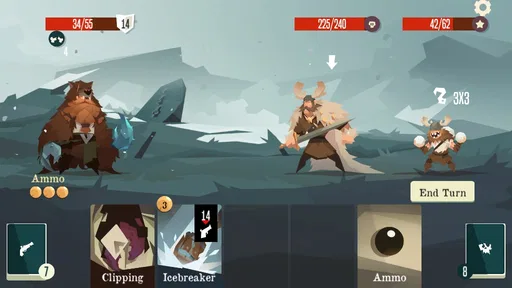
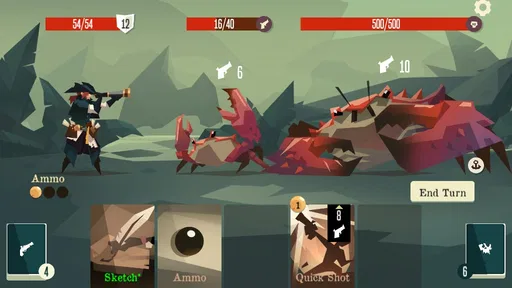
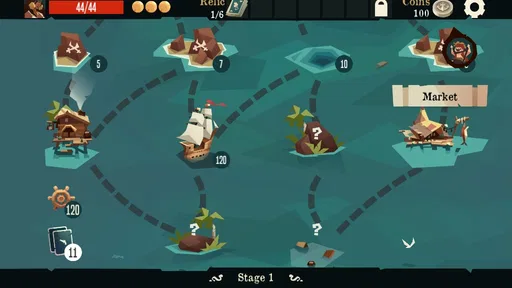
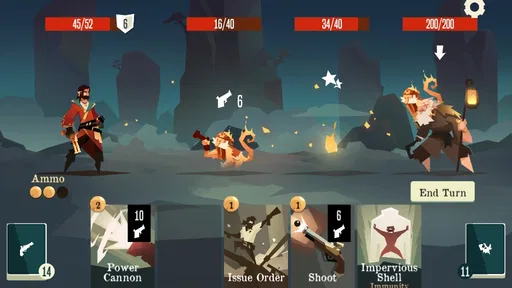
Our Review of Pirates Outlaws
 Analysis by Appyee
I came to Pirates Outlaws expecting a breezy pirate-themed card game, but its appeal is more deliberate than that. The fun comes from weighing each move, shaping a deck over time, and accepting that a promising voyage can still go sideways. I’d recommend it to someone who enjoys tactical decisions in compact bursts, rather than to anyone looking for a hands-off adventure or a simple game of luck.
Setting Sail with Pirates Outlaws
Right from the get-go, Pirates Outlaws draws you in with its charming, colorful graphics and catchy pirate tunes. It’s like stepping into a comic book world filled with adventure and danger around every corner. The game is a delightful blend of strategy and deck-building, where you play as a pirate captain navigating through various maps, each with its own set of challenges and enemies.
How the Card Battles Reward Planning
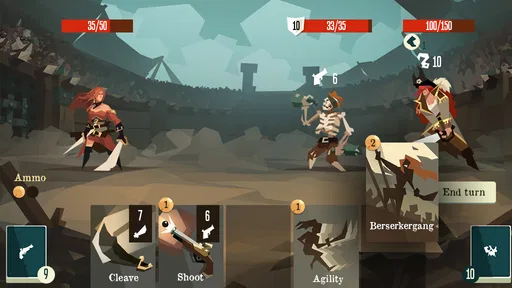
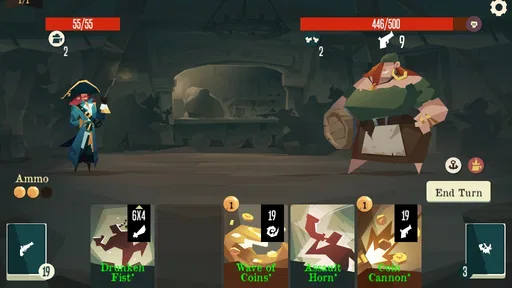
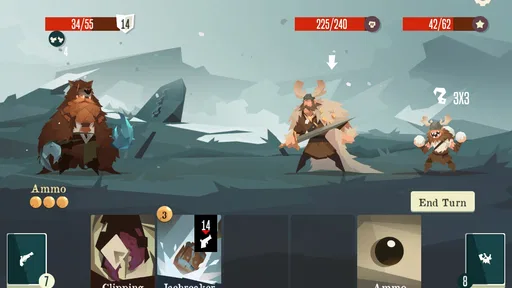
The core of the game revolves around building and managing your deck of cards, which serve as your weapons, defenses, and special abilities. Each card represents a move you can make, from attacking with your cutlass to dodging an enemy’s strike. As you progress, you get to collect new cards, upgrade your existing ones, and tailor your deck to suit your style. It’s a strategic dance that requires a fair bit of planning and foresight.
What I love about the gameplay is how it manages to keep things fresh. Each run feels like a new adventure because of the random elements. You never know what you’ll encounter next, which enemies you’ll face, or what treasures you’ll find. It's all about adapting to the ever-changing tides.
That randomness is enjoyable when I’m in the mood to improvise, but it also means a run won’t always deliver the cards or rewards I hoped for. I try not to treat every poor draw as a failure of strategy: sometimes the useful decision is to preserve resources and play defensively, rather than force a flashy attack. Thinking about what my deck can reliably do, not just what I wish it could do, makes the decisions feel more satisfying.
A practical habit is to look at a new card in terms of the job it fills. Does it give me another way to handle danger, support a plan I already have, or just look appealing on its own? A card can be powerful in isolation and still make a deck less dependable if it doesn’t fit. I get better results by choosing a coherent direction than by collecting every exciting option I see.
Reading Encounters and Managing Risk
As you explore, you’ll face off against a menagerie of foes, from rival pirates to fearsome sea monsters. Each battle is a test of your tactical prowess, and there’s a real sense of satisfaction when you finally outwit a tough opponent. Plus, there are bosses that require you to pull out all the stops and use every trick in your book.
Boss fights are where I most notice the difference between playing a card because it is available and playing it because the moment is right. Spending a useful defensive move too early can leave me exposed when an enemy’s next action matters more. I pay attention to the rhythm of a fight, save options that can answer a serious threat, and avoid assuming that dealing the biggest possible hit immediately is always the safest route.
That does not mean every encounter can be neatly solved in advance. The changing course of a run makes some outcomes uncertain, and that’s part of the roguelike appeal. For me, a loss feels worthwhile when I can identify a choice I would change next time. It feels less rewarding when I’m tired, rushing, or expecting every attempt to end in progress. This is a game I enjoy more when I can give its decisions my attention.
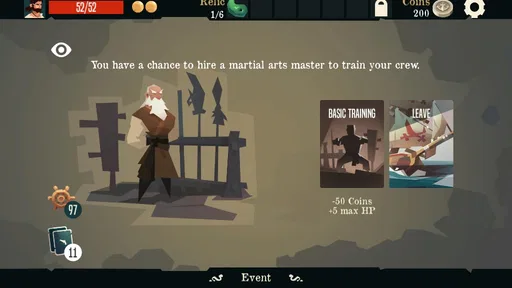
Aside from battling, there are ports where you can trade, upgrade your gear, and recruit new crew members. These elements add a nice layer of depth, giving you plenty of things to do between battles. And let’s not forget the bountiful rewards! Whether it’s gold, new cards, or rare artifacts, there’s always something shiny waiting to be discovered.
Ports make a run feel like a sequence of choices rather than a string of fights. I try to think about what my current setup actually needs before spending or choosing an improvement. If my deck already has a dependable way to attack but struggles to stay safe, leaning into defense may be wiser than making its strong side stronger. If I’m already comfortable with survival, an offensive improvement can help keep difficult battles from dragging on. The right choice depends on the run, which is more interesting than following one fixed shopping plan.
A Good Fit for Short Sessions, With a Catch
Because each fight asks me to consider how my cards fit together, this works well in a quiet break when I can concentrate for a while. I can also see it suiting a commute or a wait, provided I have enough time to finish the decision I’m in the middle of. It isn’t my first pick for a moment when I only have a few distracted seconds: the card choices matter, and making them on autopilot takes away much of what makes the game enjoyable.
For an everyday example, I might start a run while waiting for an appointment, then pause between encounters to think about which cards have actually helped and what the deck is missing. That makes the game feel like a small tactical puzzle I can return to, instead of a task I have to grind through. If I know I’ll be interrupted repeatedly, I would rather wait until I can focus; losing track of a run’s direction makes its strategic choices harder to enjoy.
The pacing also suits people who like replaying a game to learn from it. I don’t need every run to be a victory for it to feel useful: a bad outcome can show me that I relied too heavily on one sort of card or took an unnecessary risk. But anyone who wants a clear, uninterrupted story with steady forward progress may find the repeated attempts frustrating. The appeal is in adapting and trying again, not in being carried through a fixed sequence.
Its Place Among Card Games
Compared with a familiar collectible card game, this feels less like preparing a polished list before a match and more like making the best of the options a voyage puts in front of me. The changing encounters and rewards give each attempt an exploratory quality. That is a strength if I enjoy adapting; it is a drawback if I want precise control over every card choice or a competitive format built around predictable opponents.
It also asks for more involvement than a casual card game designed mainly for quick, low-stakes play. Here, a turn can matter because an attack, a defense, or a resource decision shapes what I can do later. I like that the pirate setting gives those choices a sense of journey, but the theme doesn’t make the strategy disappear. If I want something relaxing that barely asks me to plan, a simpler card game would fit better.
On the other hand, players who enjoy roguelike runs but don’t want a reflex-heavy action game may find this a comfortable alternative. Its challenge comes through evaluating cards and making tactical choices, not through fast movement. The trade-off is that a strategic game can still feel demanding: even without a timer pushing me, I need to pay attention to the situation and accept that a good plan may need adjustment.
Where the Current Edition Stands
Fabled Game develops this indie roguelike card game, and the version available now is 4.13. The game first appeared on March 5, 2019, so it has had a long life beyond its original release. Those details tell me I’m looking at an established game rather than a brand-new experiment, but I don’t take a version number alone as proof of any particular change or promise about future updates.
What matters to me in the current experience is whether its central loop still works: choosing cards, coping with unpredictable runs, and making tactical decisions that feel connected to the next encounter. That loop is the reason to try it. I wouldn’t install it expecting a different kind of game just because it has continued to receive version updates; I’d choose it because the combination of deck decisions and pirate-flavored roguelike structure sounds appealing today.
For someone returning after time away, I’d suggest easing back in rather than assuming old habits will immediately carry over. Revisit what your deck is built to do, take a moment to consider how a new card supports it, and treat early encounters as a chance to get your bearings. Familiarity helps, but a new run still asks you to respond to its particular mix of choices and challenges.
The audience response is encouraging without being a guarantee of personal fit: it holds a 4.3 average from around 32,000 ratings, with over 500,000 installs. I read that as a sign that plenty of players have found something to like, not as evidence that every run will click for me. People who enjoy adapting to uncertain outcomes are more likely to get what they want from it than players who expect a smooth, predictable climb.
Cost, Compatibility, and Who Should Pass
This is a paid game at $0.99, with optional in-app purchases ranging from $1.99 to $8.99 per item. I’d think of the upfront purchase as the first commitment and the optional purchases as separate decisions, rather than assume either is necessary to enjoy the basic idea. If I’m unsure whether tactical card runs suit me, it makes sense to consider that distinction before spending; a low entry price is still a purchase, and the game’s roguelike structure won’t appeal to everyone.
It’s rated Everyone 10+ and requires Android 6.0 or later. Those are useful checks before installing, especially if I’m choosing a game for a younger player or using an older device. I would also keep in mind that this kind of turn-by-turn planning is best for someone comfortable reading a battle and making choices, rather than for a child who mainly wants an uncomplicated pirate story or a game with no setbacks.
I’d recommend it to fans of deck-building strategy who like learning through repeated attempts, and to players who enjoy having to make a workable plan from imperfect options. I’d skip it if I mainly wanted multiplayer competition, a linear narrative, effortless one-handed distraction, or a guaranteed sense of progress every time I open a game. Those are different goals, and a more straightforward card title or story-led adventure would be a better match.
Graphics and Sound: A Pirate’s Delight
The art style of Pirates Outlaws is simply delightful. It’s got that vibrant, hand-drawn look that makes everything pop. Every character, every ship, and every island looks like it’s been lovingly crafted. And the sound design? It’s wonderfully immersive. The jaunty sea shanties and the clash of swords add to the overall atmosphere, making you feel like you’re right there on the deck, staring out at the endless ocean.
The presentation does more than decorate the card system: it helps give encounters a shared sense of place. I like that the colorful, illustrated look keeps the pirate theme playful even when a fight calls for careful thought. The music and battle sounds add atmosphere, though I wouldn’t choose the game solely for its soundtrack. The strategic loop needs to appeal first; the audio and visuals make it a more inviting place to spend time once it does.
What I’d Want From Its Next Steps
When I look at a game with a current version number and years behind it, I’m interested in whether its core remains enjoyable, not in guessing what its developers might add next. In this case, the existing card-and-run structure gives me a clear reason to play. I’d watch for future changes that improve the experience for returning players or make the available choices easier to understand, but that is a hope, not a claim about what is planned.
There are also practical expectations worth keeping modest. A roguelike’s unpredictability is part of its identity, so I wouldn’t want every difficult run smoothed into a guaranteed win. At the same time, the balance between surprise and agency matters: I want to feel that smart choices give me a better chance, even when they can’t control everything. That tension is where the game is most compelling, and it’s also where players who dislike setbacks may decide it isn’t for them.
If I were choosing it for someone else, I’d ask one simple question: do they enjoy examining options and changing plans when circumstances shift? If yes, this is a much more promising recommendation than its pirate theme alone might suggest. If no, the same uncertainty that gives a run its character could make the game feel like work. That’s the key distinction I’d keep in mind before buying it.
Why You Should Give It a Go
If you’re a fan of card games or strategic gameplay, Pirates Outlaws offers a rich experience that’s both challenging and rewarding. It’s perfect for those moments when you want to dive into a world of adventure and see where the winds take you. Plus, it’s available on both Android and iOS, so you can take your pirate adventures on the go.
In a world full of games that often feel a bit too similar, Pirates Outlaws stands out with its unique blend of strategy, exploration, and pirate-themed fun. So, ready your crew, set your sails, and embark on a journey that promises to be both thrilling and unpredictable. Who knows what riches await you on the horizon?
My recommendation comes with one condition: go in wanting to think, not just collect rewards. I enjoy the game most when I pay attention to how a deck is developing, make measured choices between encounters, and accept that a run can teach me something even when it doesn’t go my way. If that sounds like a satisfying way to spend a break, this is an easy pirate voyage to consider; if you need certainty and constant forward motion, I’d steer toward a different kind of card game.
Verdict
Strengths of Pirates Outlaws
- Engaging turn-based combat system.
- Diverse selection of unique characters.
- Offline play without internet required.
- Regular updates with new content.
- Stunning hand-drawn art style.
Limitations of Pirates Outlaws
- Can be challenging for beginners.
- In-app purchases can be pricey.
- Limited narrative depth.
- Occasional balancing issues.
- Repetitive grind for resources.
Similar Picks in This Category
View All
Solitaire - Classic Card Games
MobilityWare4.6

UNO!™
Mattel163 Limited4.3

Spider Solitaire: Card Games
MobilityWare4.6

Solitaire.com - Classic Cards
Tripledot Studios Limited4.7

Plants vs. Zombies™ Heroes
ELECTRONIC ARTS4.1

Hearthstone
Blizzard Entertainment, Inc.4.1
Frequently Asked Questions
What is Pirates Outlaws about?
Pirates Outlaws is a roguelike card game where players navigate dangerous seas, battle pirates and outlaws, and collect gold and rewards. The game challenges players to build strategic decks, defeat enemies, and survive various quests. With its captivating art style and challenging gameplay, it offers a deep and engaging experience for card game enthusiasts.
What platforms is Pirates Outlaws available on?
Pirates Outlaws is available on both Android and iOS platforms. Players can download the game from the Google Play Store or the Apple App Store, making it accessible to a wide range of mobile users. The game is designed to run smoothly on most modern smartphones and tablets.
Are there in-app purchases in Pirates Outlaws?
Yes, Pirates Outlaws includes in-app purchases. These purchases allow players to buy in-game currency, card packs, and other items that can enhance gameplay. While the game can be played without spending money, some players may choose to make purchases to progress more quickly or unlock additional content.
Is an internet connection required to play Pirates Outlaws?
Pirates Outlaws can be played offline, making it a great choice for those who want to enjoy gaming on the go without needing a constant internet connection. However, some features, such as updates and certain purchases, may require internet access to function properly.
What are the key features of Pirates Outlaws?
Pirates Outlaws offers a variety of features, including a roguelike card battle system, multiple characters with unique abilities, and diverse environments to explore. The game also provides a challenging progression system, daily challenges, and a captivating art style that enhances the pirate-themed adventure. Each playthrough offers a new experience, keeping players engaged.
Play our best games!


